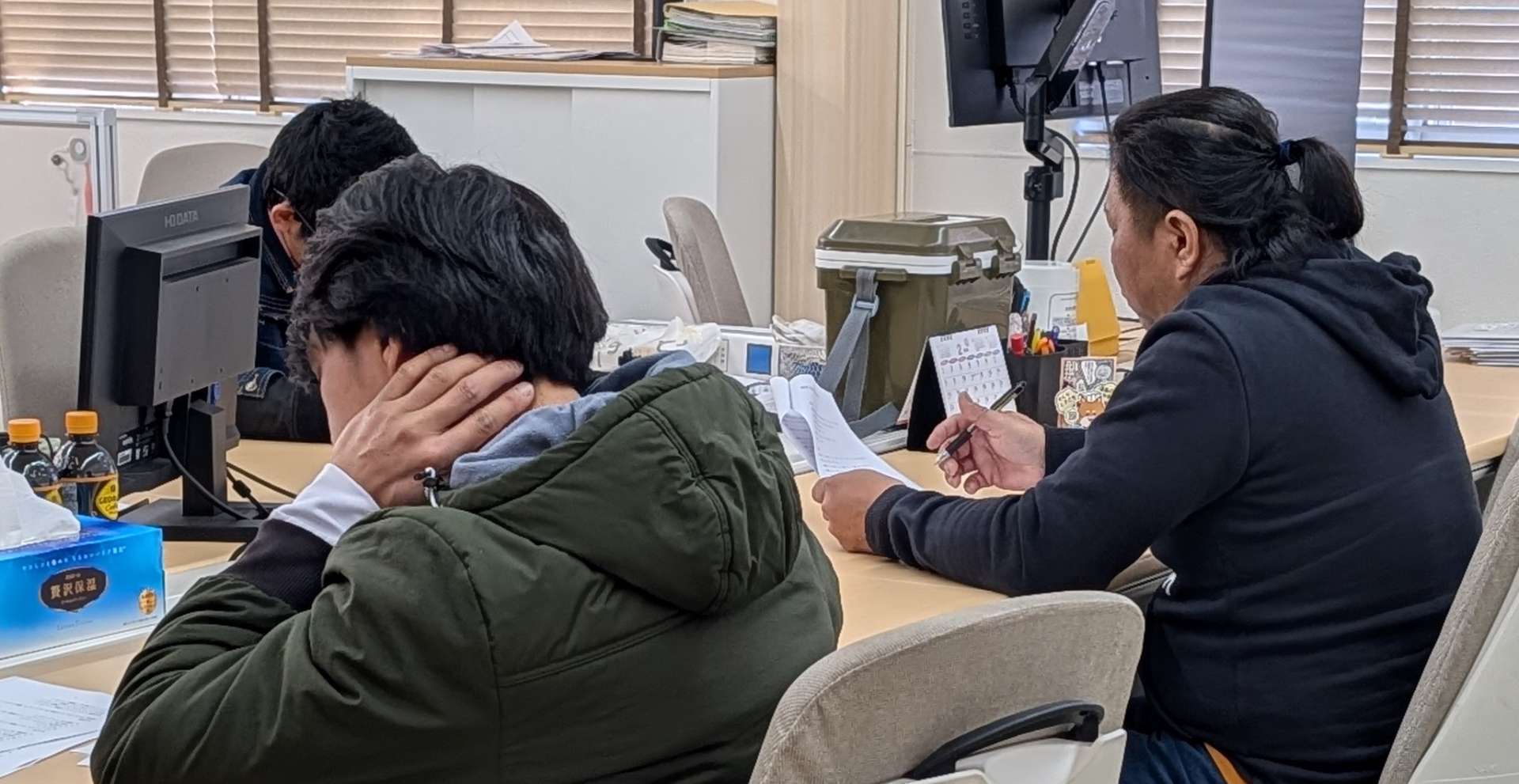
こんにちは、三重県四日市市にある楓和工業です。
今週は特定技能1号のリチャードさんのブログです!(文学的…!)
The alarm rings at 4:30 a.m., same as it has for the past couple of months. I fumble for my phone in the dark, screen flaring to show three lines of Japanese vocabulary I’d saved as my lock screen: shiken (exam), jōshiki (technical knowledge), doryoku (effort).
Outside my small apartment in Yokkaichi, the streets are still quiet—only the hum of vending machines and distant rattle of the first delivery trucks break the silence. By 5:30, I’m at the kitchen table, rice cooker steaming beside me, workbook open to a page of kanji that still blur together like raindrops on glass.
目覚ましが午前4時30分に鳴る。ここ数か月ずっと、毎朝同じ時刻だ。暗闇の中、手探りしてスマートフォンを探す。画面がふっと明るくなり、ロック画面に設定しておいた3つの日本語の単語を映し出した。「試験」「常識(専門知識)」「努力」。
四日市にある私の小さなアパートの外はまだ静まり返っており、自動販売機の唸るような音や、遠くで響く早朝の配送トラックの走行音だけが、その静寂を破っている。5時半には、キッチンのテーブルに座り、隣では炊飯器が湯気を立て、開いたテキストには漢字がずらりと並ぶ。だが、その文字はまだ、窓ガラスを伝う雨粒のようにぼやけて見える。
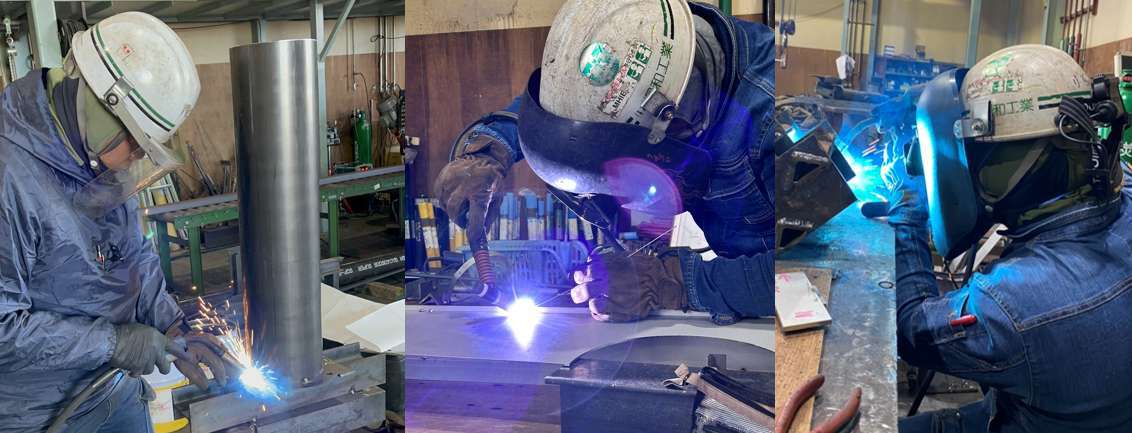
I work full-time as a maintenance technician at an industrial parts factory, part of the team that keeps the assembly lines running without pause. The Skill Worker 2 certification is more than just a paper to me—it’s the bridge to better future, the chance to bring my family over, proof that I belong here. But the exam is half technical mastery, half Japanese that twists my tongue and tangles my thoughts. Technical terms I know by heart in my own language turn into walls of characters I have to decode one stroke at a time: kikai kōsei (machine structure), anzen kanri (safety management), seido (precision). Some nights I stare at a single sentence for an hour, every particle and honorific feeling like a lock I don’t have the key for.
私は産業用部品工場で、保全技術者(メンテナンス・テクニシャン)としてフルタイムで働いています。組立ラインを稼働させ続けるチームの一員です。
「特定技能2号(Skill Worker 2)」の資格は、単なる紙切れ以上の意味を持っています。それはより良い未来への架け橋であり、家族を呼び寄せるためのチャンスであり、そして私がこの場所に存在していることの証でもあります。しかし、試験の内容は技術的な熟練度が半分、そして残りの半分は、私の舌を絡ませ、思考を混乱させる日本語です。母国語なら熟知している専門用語も、ここでは一画一画読み解かなければならない文字の壁となって立ちはだかります。「機械構成」「安全管理」「精度」といった言葉がそうです。時には、たった一つの文章を前にして一時間も考え込んでしまう夜もあります。助詞や敬語の一つひとつが、まるで鍵を持たない錠前のように感じられるのです。
Workdays stretch from 8:00a.m. to 17:00p.m., my hands smudged with grease, my mind already running through verb conjugations while I tighten bolts or calibrate sensors. During breaks, I sit on the concrete steps outside the break room, take down notes in one hand, coffee in the other. My leaders, my colleague, sometimes stop by. “You’re here early, late, always studying,” they said study make things possible, stay focused, stay in motivation or reason why you should pass the exam “Japanese is hard even for us. But you don’t stop. That’s what matters most.” Evenings are the hardest part. I get home at 6, eat a quick meal, then sit at my desk until midnight or later. There are nights my eyes burn so bad I can barely make out the lines, when I close the book and slump back, wondering if I’m chasing something too far out of reach. Once I cried into my hands after getting a practice test back—every question I’d gotten wrong wasn’t because I didn’t know the skill, but because I’d misread one small character, mixed up kuru and kimeru, missed a negation that flipped the whole meaning.
勤務時間は朝8時から夕方5時まで。手はグリースで汚れていても、ボルトを締めたりセンサーを調整したりしながら、頭の中では動詞の活用を反復しています。休憩時間には休憩室の外のコンクリートの階段に座り、片手にコーヒー、もう片方の手にノートをもって勉強をします。
上司や同僚が時折声をかけてくれます。「早い時間も遅い時間も、いつも勉強しているね。日本語は我々にとっても難しいものだ。それでも君は諦めない。それが何より大事なことだよ」と。
一番辛いのは夜の時間帯です。6時に帰宅して手早く食事を済ませると、深夜、あるいはそれ以降まで机に向かいます。目がひどく痛んで文字がほとんど見えなくなり、本を閉じて椅子に深く寄りかかり、「自分は到底届かないものを追いかけているのではないか」と自問自答する夜もあります。ある時は、模擬試験の結果が返ってきた後、思わず顔を覆って泣いてしまいました。間違えた問題はどれも、そのスキルや知識を知らなかったからではなく、小さな文字を読み間違えたり、「来る(kuru)」と「決める(kimeru)」を取り違えたり、あるいは否定形を見落として文の意味を逆にとらえてしまったりしたことが原因だったからです。
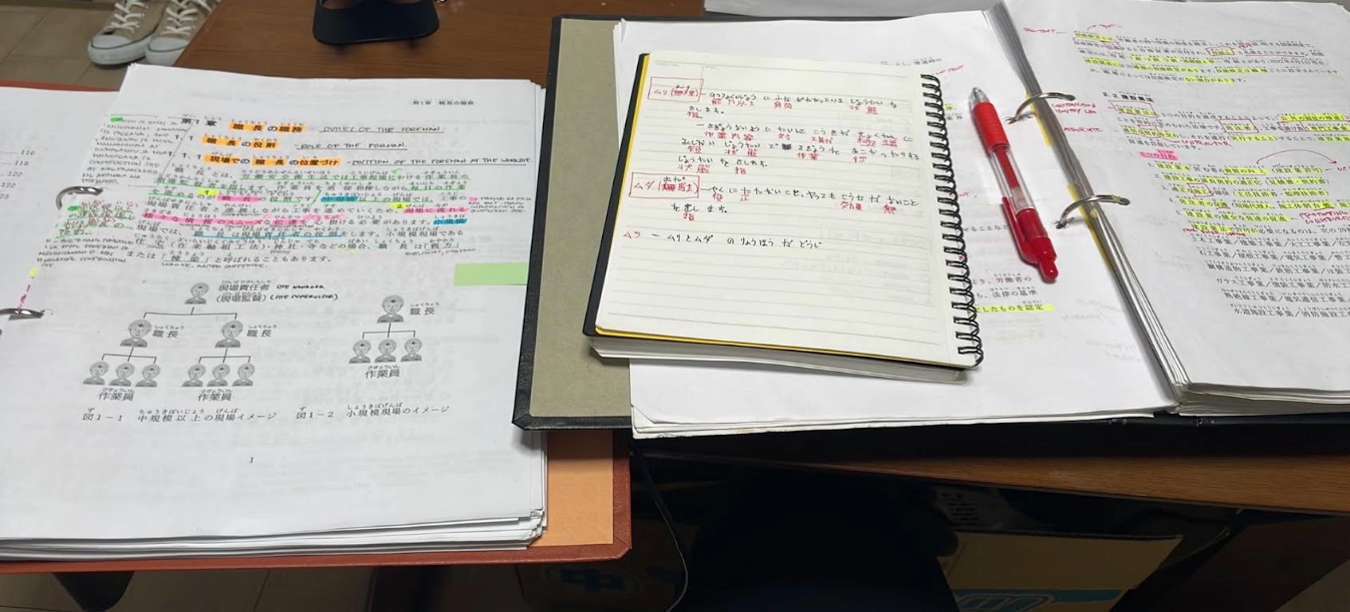
“Why does it have to be this hard?” I whispered to the empty room that night. My phone lit up then—a message from my wife back home: I know you’re tired. I know it’s heavy. But every night you stay up, every word you learn, you’re building something. Take it one step at a time. We’re right there with you. I wiped my face, picked up my pen, and started again. Some days I study on the bicycle ride home, swaying with the motion, muttering sentences under my breath until other peoples glance over. Some days I practice explaining repair procedures out loud, stumbling over polite speech forms until they roll off my tongue. I mark every kanji I finally memorize with a tiny tick in the margin—hundreds of them now, a trail of small victories leading toward the exam date. The night before the test, I spread my notes across the table. My hands shake a little, but not from fear. From all the mornings I woke before the sun, all the nights I pushed past exhaustion, all the times I rephrased and rewrote and relearned until the words stopped feeling like enemies and started feeling like tools. I trace the characters for doryoku on the page. Effort isn’t just working hard, I’ve learned. It’s showing up even when the letters swim before your eyes, even when your shift leaves your bones aching, even when you’re halfway across the world fighting for a place to stand. I close my books, turn off the light, and set my alarm. Whatever happens tomorrow, I gave everything I had—every hour, every breath, every bit of me. And that, I think, is already half the victory.
「どうしてこんなに大変なのだろう?」その夜、私は誰もいない部屋でつぶやいた。その時、携帯電話の画面が光った。故郷にいる妻からのメッセージだ。「疲れているのは分かっているよ。辛いこともね。でも、夜更かしして勉強する時間も、新しく覚える言葉の一つひとつも、すべては何かを築き上げているのよ。一歩ずつ進んでいこう。私たちはいつもあなたと一緒にいるから」。私は顔を拭い、ペンを手に取り、再び机に向かった。
ある日は、自転車で帰宅する途中にも勉強する。自転車の揺れに身を任せながら小声で例文をつぶやき続け、周囲の人が振り返るほどだ。またある日は、修理の手順を声に出して説明する練習をした。最初は敬語につまずきながらも、滑らかに言えるようになるまで繰り返した。ようやく覚えた漢字には、余白に小さな印をつけた。今では何百もの印が並び、試験日に向かう「小さな勝利の軌跡」となっている。
試験の前夜、テーブルいっぱいにノートを広げた。手が少し震えているが、それは恐怖のせいではない。太陽が昇る前に起き、極度の疲労に打ち勝って夜遅くまで励み、言葉が「敵」ではなく「道具」に変わるまで何度も言い換え、書き直し、覚え直した……そのすべての積み重ねによるものだ。私はページの上で「努力」という文字を指でなぞった。努力とは、単に懸命に働くことではないと学んだ。それは、文字がかすんで見えにくくなっても、仕事で骨の髄まで痛むほど疲れていても、そして地球の裏側で自分の居場所を求めて必死に戦っている時であっても、なお立ち向かい続けることなのだ。本を閉じ、明かりを消し、目覚まし時計をセットする。明日どうなるかは分からないが、私は持てる力のすべてを注ぎ込んだ――費やした時間も、呼吸の一つひとつも、自分自身のすべてを。そしてそれこそが、すでに勝利の半分なのだと私は思う。
May this study and hardships leads to a better future. I know it may be hard and difficult but I will never give up for me, for my family and for the company.
この学びと苦労が、より良い未来につながることを願っています。困難で厳しい道のりかもしれませんが、自分自身のため、家族のため、そして会社のために、決して諦めません。

